
Stunning map created by archaeologists gives you a new reason to think about the Roman Empire | CNN
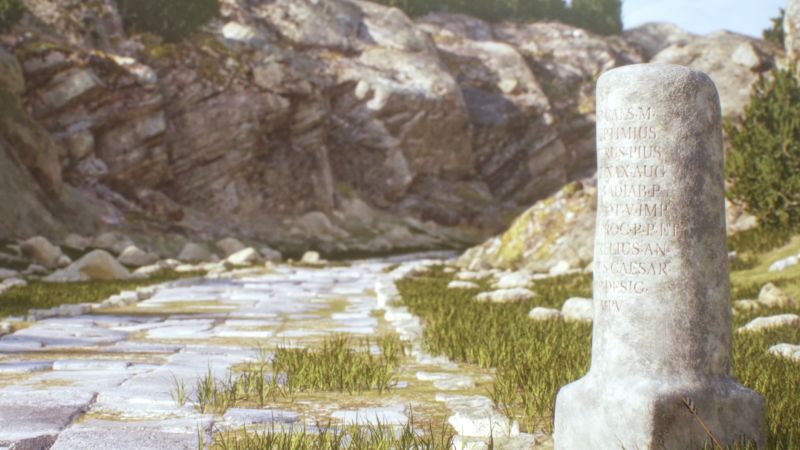
Summary: The Roman Empire had an impressive road network. A new dataset now visualizes the road map, adding over 100,000 kilometers of previously unknown routes.
Every now and then a subject like Stunning map created by archaeologists gives captures attention — this piece breaks down why it matters and what you need to know. The Roman Empire had an impressive road network. A new dataset now visualizes the road map, adding over 100,000 kilometers of previously unknown routes.
At its core, Stunning map created by archaeologists gives is about understanding the essentials that shape the experience — the background, the primary features, and common use cases.
At its core, Stunning map created by archaeologists gives is about understanding the essentials that shape the experience — the background, the primary features, and common use cases.
Stunning map created by archaeologists gives didn't appear overnight. Over time it evolved as users and creators refined practical approaches and expectations.
Users often point to reliability and straightforward design as reasons to consider it. For readers, this means less friction and a shorter learning curve when getting started.
Users often point to reliability and straightforward design as reasons to consider it. Practically, you can expect more consistent outcomes and fewer surprises.
One strength is its practicality: it provides clear benefits such as improved usability, faster results, and better long-term value. In day-to-day use, that reliability translates into time saved and fewer troubleshooting steps.
Users often point to reliability and straightforward design as reasons to consider it. For readers, this means less friction and a shorter learning curve when getting started.
One strength is its practicality: it provides clear benefits such as improved usability, faster results, and better long-term value. For readers, this means less friction and a shorter learning curve when getting started.
A common highlight is flexibility — Stunning map created by archaeologists gives adapts to different needs and provides several ways to achieve similar goals. In day-to-day use, that reliability translates into time saved and fewer troubleshooting steps.
If you're starting out, focus on the basics: familiarize yourself with the core concepts and try a small, controlled experiment.
If you're starting out, focus on the basics: familiarize yourself with the core concepts and try a small, controlled experiment.
A useful tip is to prioritize features that deliver immediate value before exploring advanced settings.
For a clear example and additional references, consult the original page at https://www.cnn.com/2025/11/06/science/map-ancient-roman-empire-roads.
Frequently asked questions
Who is Stunning map created by archaeologists gives suitable for?
It is suitable for both beginners and experienced people who want a practical, no-nonsense approach.
How do I get started with Stunning map created by archaeologists gives?
Begin with a simple walkthrough: read an authoritative guide, test a basic setup, then expand step by step.
In short, Stunning map created by archaeologists gives offers a combination of usefulness and approachability that makes it worth exploring further.
If you'd like, you can explore more on CNN or follow updates from the original author.
In practical terms, this means taking small steps, reviewing outcomes, and adjusting where necessary.
Many experienced users recommend starting small and iterating quickly rather than attempting a large overhaul right away.
Over time, these small improvements add up — leading to a more stable and predictable experience.
Remember that the best approach is the one that fits your workflow: test, measure, and adapt accordingly.
In practical terms, this means taking small steps, reviewing outcomes, and adjusting where necessary.
Many experienced users recommend starting small and iterating quickly rather than attempting a large overhaul right away.
Over time, these small improvements add up — leading to a more stable and predictable experience.
Remember that the best approach is the one that fits your workflow: test, measure, and adapt accordingly.
Source: https://www.cnn.com/2025/11/06/science/map-ancient-roman-empire-roads
Posting Komentar untuk " "